
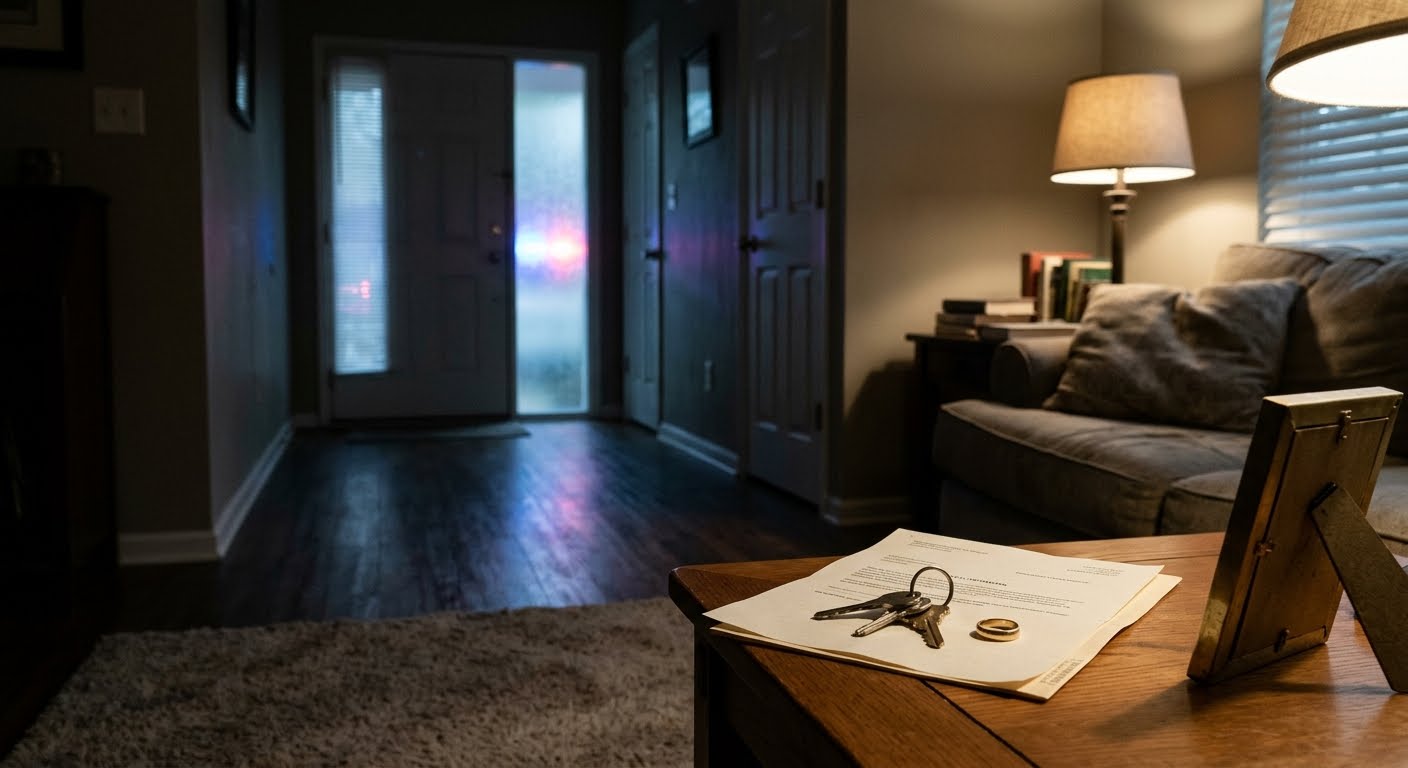
Facing a domestic violence charge in Charlotte can turn your world upside down overnight. These situations often begin with an argument that leads to a call to the police. Even if things seem calm when officers arrive, they may still arrest you right away. The days that follow can be overwhelming and stressful, but understanding what happens next can make things a little easier.
What the Charge Means
In North Carolina, domestic violence is not a single crime. Instead, it usually means being charged with something like assault or making threats against someone you have a close relationship with. This could be a spouse, former partner, family member, or roommate. The type of relationship you have can affect how your case is treated in court.
The specific charge you face matters. Some domestic violence charges are misdemeanors, while others are felonies. If someone was seriously hurt or a weapon was involved, the consequences can be much more serious. Take time to read your charging papers carefully so you know exactly what you are facing.
What Happens Right After an Arrest
After you are arrested, you will usually see a magistrate who decides the conditions for your release. In domestic violence cases, these rules are often strict. You might be told to stay away from the other person involved, even if you both live in the same home.
Some people must stay in jail for a while before they can be released, while others can go home but must follow certain rules. Write down every condition you are given. Complying with these instructions closely can help you avoid more trouble.
Protective Orders Are a Separate Matter
A domestic violence protective order is a civil order, which means it is separate from any criminal charges. Someone can request this order at the same time as a criminal case or on its own. Judges can issue a short-term order very quickly, sometimes before you get a chance to respond. Usually, a hearing will be scheduled soon after so both sides can be heard.
A protective order can affect many parts of your life, including where you live, who you can see, child custody, and your right to own a gun. If you break the order, you could face new criminal charges. Follow every order, even if you do not agree with it.
What Your Case May Depend On
Every case is different. Prosecutors and judges frequently look at several things, such as:
- What was said and done before the call to police
- Whether anyone was hurt
- Whether a weapon was involved
- Any history between the people
- Witnesses, photos, and evidence in these cases can come from many sources, like police reports, 911 calls, medical records, and even text messages.
Collecting this information as soon as possible can help you and your attorney see what your case looks like and plan what to do next.
The Other Person Does Not Control the Case
Many people believe the other person can just drop the charges, but that is not the case. Only the State can decide whether to continue with the case. The other person can tell the prosecutor what they want, but they do not have the final say.
Trying to contact the other person about the case can be risky. It might break the rules of your release or a protective order, and anything you say could be used as evidence later. If you are considering contacting them, check with your attorney first to make sure it is allowed.
Possible Consequences
If you are convicted, you could face fines, probation, or even jail time, depending on your case. Sometimes, the court may also require you to attend a special program. The penalty you face depends on the specific charge and your past record. More serious charges can lead to much longer sentences.
A conviction can affect you far beyond your sentence. It can show up on background checks and affect your job, housing, and your right to own a firearm. For many people, these long-term effects are just as important as what happens in court.
If you were charged with domestic violence, a Charlotte criminal defense attorney can explain your options. A review of your case can show what the evidence looks like and what may be possible. Knowing your choices early can help you make better decisions.
Serving clients throughout Charlotte and Mecklenburg County.
FAQs
Is domestic violence a felony in North Carolina?
It can be, but many charges are misdemeanors. The type of charge depends on the facts, such as injury or a weapon.
Can the other person drop the charges?
Not on their own. The State decides whether to move forward, even if the other person wants to stop.
What is a domestic violence protective order?
It is a civil court order that can limit contact and where you live. Breaking it can lead to a new charge.
Can a domestic violence charge affect my gun rights?
Yes, it can. A protective order or a conviction may limit your right to own a firearm.
